
Bleeding Hemorrhoid Treatment: Expert Solutions for 2025
Bleeding hemorrhoids are a common yet often alarming condition, and knowing the right bleeding hemorrhoid treatment is essential for relief and prevention. Hemorrhoidal bleeding occurs when swollen veins in the rectum or anus are irritated, leading to bright red blood during bowel movements. This comprehensive guide explains causes, symptoms, treatment options, and preventive measures, with insights from specialists at Hemroid Center in Scottsdale, Arizona.
What Are Bleeding Hemorrhoids?
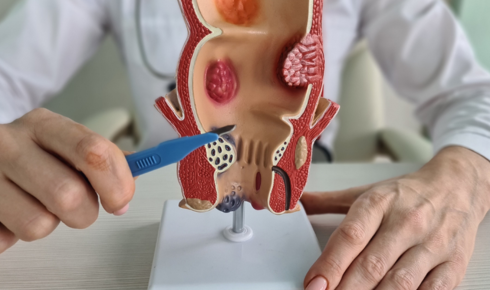
Bleeding hemorrhoids are inflamed veins that may bleed during bowel movements or when irritated. They can be classified into:
- Internal Hemorrhoids: Located inside the rectum, often painless but prone to bleeding.
- External Hemorrhoids: Found under the skin around the anus, can cause pain, swelling, and occasional bleeding.
Identifying the type of hemorrhoid is important for selecting the most effective bleeding hemorrhoid treatment.
Causes of Bleeding Hemorrhoids
Understanding the causes helps both treatment and prevention. Common triggers include:
- Straining During Bowel Movements: Hard stools put pressure on rectal veins.
- Chronic Constipation or Diarrhea: Repeated irritation weakens veins.
- Pregnancy: Hormonal changes and increased pelvic pressure contribute.
- Obesity: Extra weight increases stress on anal veins.
- Sedentary Lifestyle: Prolonged sitting reduces blood circulation.
Addressing these factors reduces the risk of recurrent bleeding and promotes digestive health.
Recognizing Symptoms of Bleeding Hemorrhoids
Early recognition ensures timely intervention. Symptoms may include:
- Bright red blood on toilet paper or in the toilet bowl
- Pain or discomfort around the anus
- Swelling or a noticeable lump
- Itching or irritation
- Mucus discharge in some cases
Persistent bleeding warrants evaluation by a specialist to rule out other conditions such as colorectal polyps or ulcers.
Home-Based Bleeding Hemorrhoid Treatment
Mild bleeding hemorrhoids can often be managed with conservative measures at home:
Dietary Adjustments
- Increase Fiber Intake: Fruits, vegetables, and whole grains soften stools.
- Hydration: Drinking 8–10 glasses of water daily prevents constipation.
- Limit Processed Foods: Reduces strain on the digestive system.
Soothing Measures
- Sitz Baths: Warm water soaks for 10–15 minutes relieve discomfort.
- Topical Treatments: Hemorrhoid creams or ointments reduce inflammation and irritation.
- Cold Compresses: Helps minimize swelling in external hemorrhoids.
Lifestyle Modifications
- Avoid prolonged sitting; take short walking breaks.
- Maintain a healthy weight to reduce pressure on anal veins.
- Practice proper bowel habits, avoid straining and respond promptly to bowel urges.
Home remedies can alleviate symptoms, but persistent or severe bleeding usually requires professional care.
Professional Bleeding Hemorrhoid Treatment
Specialized centers like Hemroid Center offer advanced treatments for more severe or persistent cases.
Minimally Invasive Procedures
- Rubber Band Ligation: A small band is applied around the hemorrhoid, cutting off blood supply and causing it to shrink.
- Sclerotherapy: A solution injected to reduce swelling and bleeding.
- Infrared Coagulation: Heat-based therapy that shrinks internal hemorrhoids and prevents recurrence.
Surgical Interventions
- Hemorrhoidectomy: Complete removal of problematic hemorrhoids for long-term relief.
- Stapled Hemorrhoidopexy: Repositions prolapsed hemorrhoids and restores normal blood flow.
Professional evaluation ensures the most effective and least invasive option is chosen for each patient.
Prevention Strategies for Bleeding Hemorrhoids
Preventing recurrence is as important as treating symptoms. Effective strategies include:
- High-Fiber Diet: Softens stools and reduces straining.
- Stay Hydrated: Prevents constipation and minimizes bleeding episodes.
- Exercise Regularly: Improves circulation and digestive health.
- Proper Toilet Habits: Avoid straining and prolonged sitting.
- Weight Management: Reduces pressure on rectal and anal veins.
Consistent preventive measures can reduce bleeding episodes and promote overall bowel health.
When to Seek Immediate Care
Seek professional help if you notice:
- Persistent or heavy bleeding
- Severe pain or swelling
- Blood clots or prolapsed hemorrhoids
- Symptoms that interfere with daily activities
Early intervention ensures rapid relief, prevents complications, and provides access to advanced treatments.
Why Choose a Specialized Hemorrhoid Center?
Visiting a dedicated center provides distinct advantages:
- Expertise: Physicians specializing in hemorrhoid and anal disorders.
- Advanced Treatments: Access to minimally invasive procedures and surgery.
- Personalized Care: Customized treatment plans for faster recovery.
- Patient Education: Guidance on prevention, self-care, and long-term management.
Specialized care ensures effective symptom relief and long-term outcomes.
Common Myths About Bleeding Hemorrhoids
Dispelling myths helps patients make informed decisions:
- Myth: Bleeding always indicates serious disease.
Fact: Hemorrhoidal bleeding is common, but persistent cases should be evaluated. - Myth: Only older adults get hemorrhoids.
Fact: Anyone with straining, constipation, or prolonged sitting is at risk. - Myth: Creams cure bleeding hemorrhoids.
Fact: Topical treatments relieve symptoms but do not remove underlying hemorrhoids.
Understanding the facts promotes timely and effective care.
Key Takeaways on Bleeding Hemorrhoid Treatment
- Bleeding hemorrhoids occur when swollen veins in the rectum or anus are irritated or inflamed.
- Causes include straining, constipation, pregnancy, obesity, and sedentary lifestyle.
- Mild cases may respond to dietary changes, hydration, topical treatments, and lifestyle adjustments.
- Persistent or severe bleeding requires professional interventions, including minimally invasive procedures or surgery.
- Preventive strategies and specialized care reduce recurrence and support long-term bowel health.
Take Action Today
If you are experiencing hemorrhoidal bleeding, don’t wait for symptoms to worsen. Schedule a consultation at Hemroid Center in Scottsdale, Arizona, for expert bleeding hemorrhoid treatment. Early evaluation ensures effective care, faster relief, and guidance on preventing future episodes.