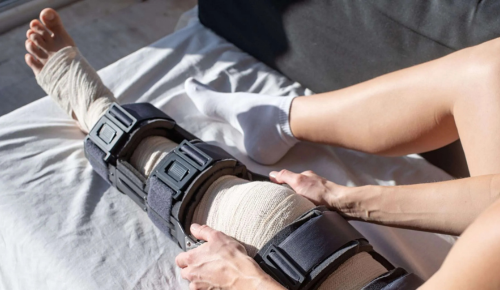
Walking feels natural until it doesn’t. A person with a foot drop often notices something small at first. The toes scrape the ground. Slippers slip off. Stairs feel risky. Soon, every step demands extra effort. At this point, many people search online for foot drop support or the right foot drop brace to make walking easier.
As orthopedic specialists explain, foot drop is not a disease. It is a symptom. The front part of the foot fails to lift properly because the muscles or nerves that control it do not function well. Without proper orthotic foot support, balance suffers and the risk of tripping increases.
Common Symptoms of Foot Drop
Foot drop changes the way a person walks. Doctors often observe:
- Difficulty lifting the front of the foot
- Toes dragging while walking
- A high-stepping gait to avoid tripping
- The slapping sound of the foot hitting the ground
- Weakness in the ankle or shin
These signs may appear suddenly after an injury or develop slowly over time. Some patients ignore the early symptoms, thinking it is a temporary weakness. However, continued dragging can lead to falls or strain on the knees and hips.
What Causes Foot Drop?
Several medical conditions can lead to this problem. A common cause is injury to the peroneal nerve, which controls muscles that lift the foot. This nerve runs along the outer part of the knee and can become compressed or damaged.
Other causes include:
- Lumbar spine problems, such as a herniated disc
- Stroke
- Multiple sclerosis
- Diabetes-related nerve damage
- Muscle disorders
- Trauma from fractures or surgery
An orthopedic evaluation helps identify the exact cause. Doctors examine muscle strength, reflexes, and walking patterns before recommending treatment.
Why Foot Drop Support Matters
When the foot does not lift correctly, the body adjusts in unhealthy ways. A person may swing the leg outward or lift the knee higher than usual. Over time, these movements strain other joints.
A properly fitted foot drop support keeps the foot in a neutral position. It prevents toe dragging and supports smoother steps. Many patients report feeling more stable and confident once they begin using structured orthotic support for foot drop.
Braces do not repair nerve damage. They provide functional assistance and reduce the risk of falls.
Types of Orthotic Solutions
Ankle Foot Orthosis (AFO)
An AFO remains one of the most common devices for foot drop support. It fits inside the shoe and extends up the lower leg. This brace lifts the foot during walking and stabilizes the ankle. Doctors often recommend it for moderate to severe weakness.
Lightweight Dynamic Foot Drop Brace
Some patients prefer flexible braces made with elastic straps or dynamic bands. These designs assist toe lifting while allowing more ankle movement. They suit mild weakness and daily use.
Custom Orthotic Support
In certain cases, specialists design custom-made devices. A personalized orthotic support for foot drop improves comfort and fits the individual’s walking pattern more precisely.
Additional Treatment Approaches
Doctors often combine bracing with physical therapy. Strengthening exercises target the shin and ankle muscles. Nerve stimulation therapy may also help in selected cases. Proper footwear with supportive soles further improves stability.
Final Thoughts
Foot drop affects movement, balance, and daily independence. Early recognition of symptoms allows timely management. Vissco Next foot drop support helps lift the toes, improves walking safety, and restores confidence.
An orthopedic consultation ensures accurate diagnosis and selection of the most suitable foot drop brace. With consistent care, structured rehabilitation, and appropriate orthotic support, individuals regain better control of their steps and move through daily life with greater ease.